
How to Clean the Exterior of Your Mobile Home Yourself: A Step-by-Step Guide
Living in Florida has its advantages, but keeping the exterior of your mobile home clean can be a challenge. Between the humidity, afternoon rain, pollen and algae, it doesn’t take long for your siding to start looking a little green.
The good news? You don’t necessarily need to hire a professional every time your mobile home needs cleaning.
With a few basic supplies, the right cleaning solution and a little patience, you can clean much of your mobile home’s exterior yourself.
In this guide, we’ll walk you through the process, explain which cleaning products to use and show you how to avoid some common mistakes that can damage your home.
1. Gather your cleaning supplies
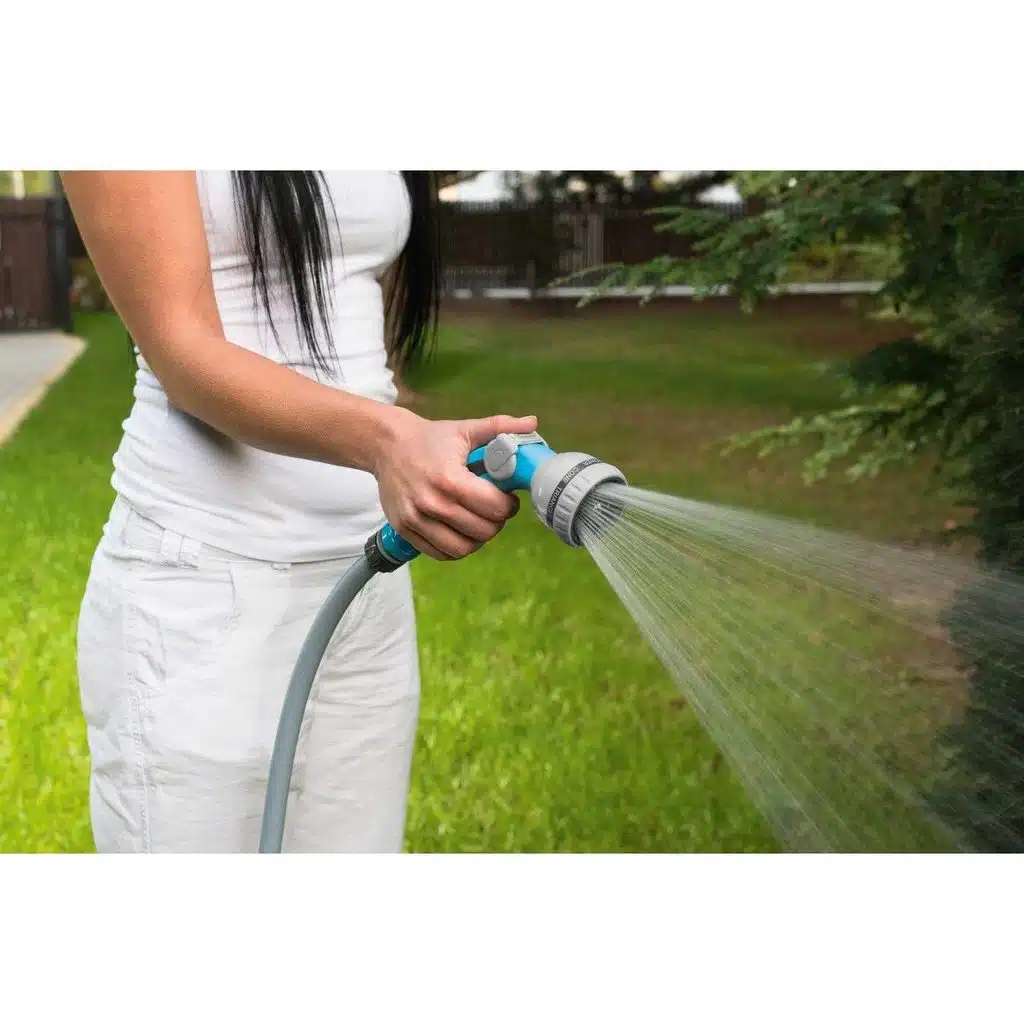
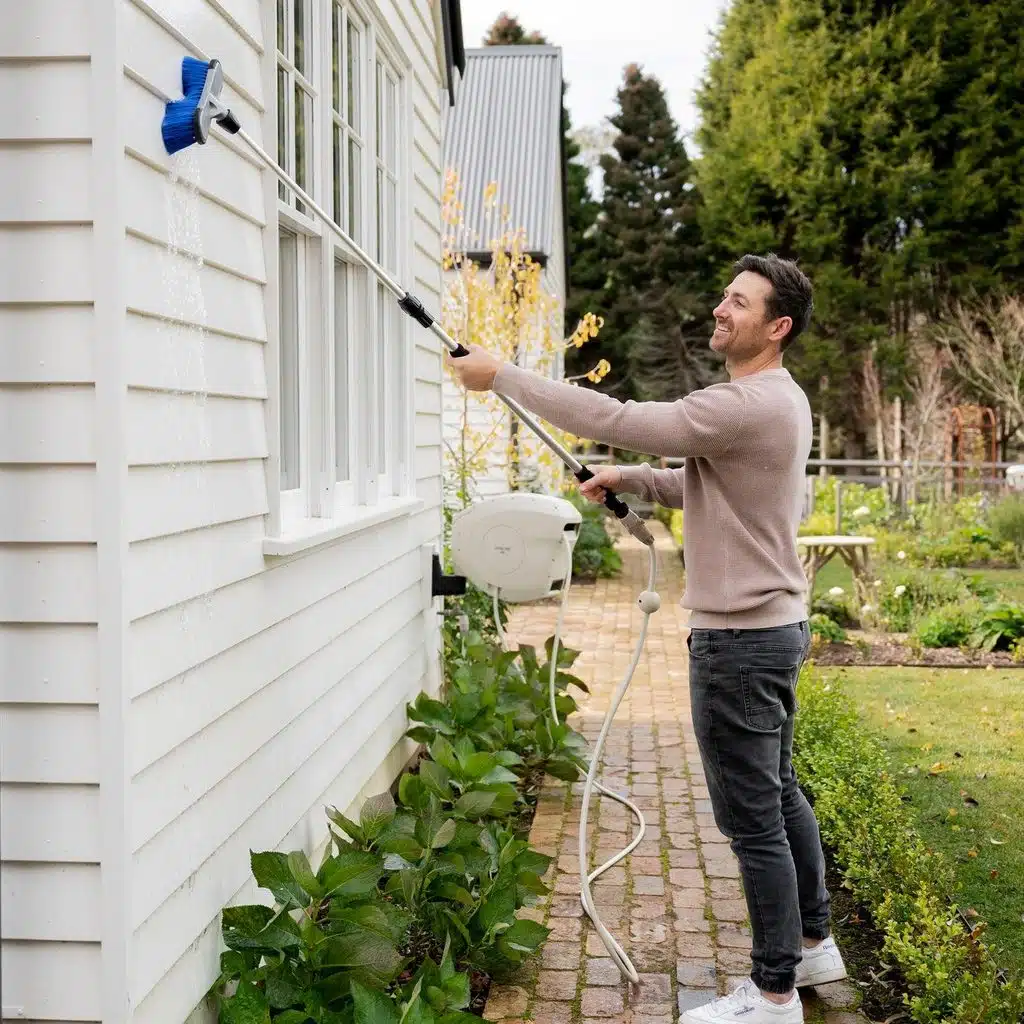
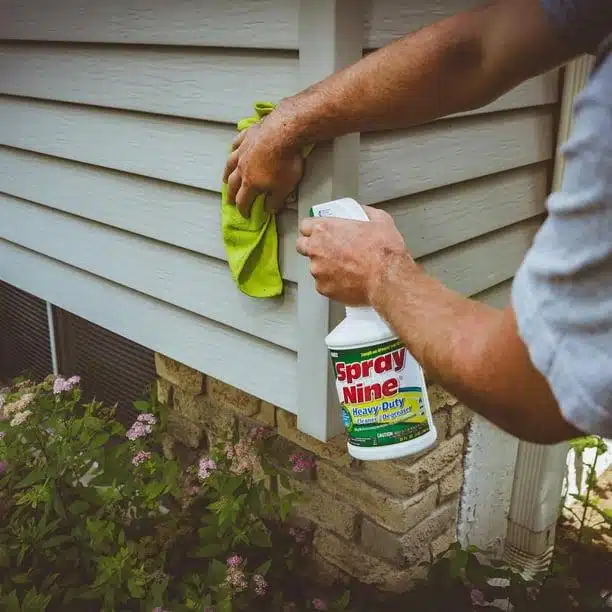
You don’t need an expensive pressure washer or specialized equipment to clean the exterior of your mobile home.
In fact, a garden hose and a soft-bristle brush are often all you need for routine maintenance.
Here’s what you’ll want to have ready:
- A garden hose with an adjustable spray nozzle
- A soft-bristle brush with an extension pole
- A bucket and clean microfiber cloths
- A cleaning solution approved for your siding
- Safety glasses and chemical-resistant gloves
- A garden sprayer, if permitted by your cleaner’s instructions
For most homeowners, an ordinary exterior siding cleaner is a good starting point. Look for one that’s specifically labeled for your siding material, whether that’s vinyl, aluminum or painted siding.
A word about pressure washers: While they can make cleaning faster, using too much pressure or spraying at the wrong angle can force water behind your siding, damage paint and cause leaks around windows.
For DIY cleaning, we recommend starting with a garden hose rather than a pressure washer.
2. Protect your plants, windows and electrical outlets
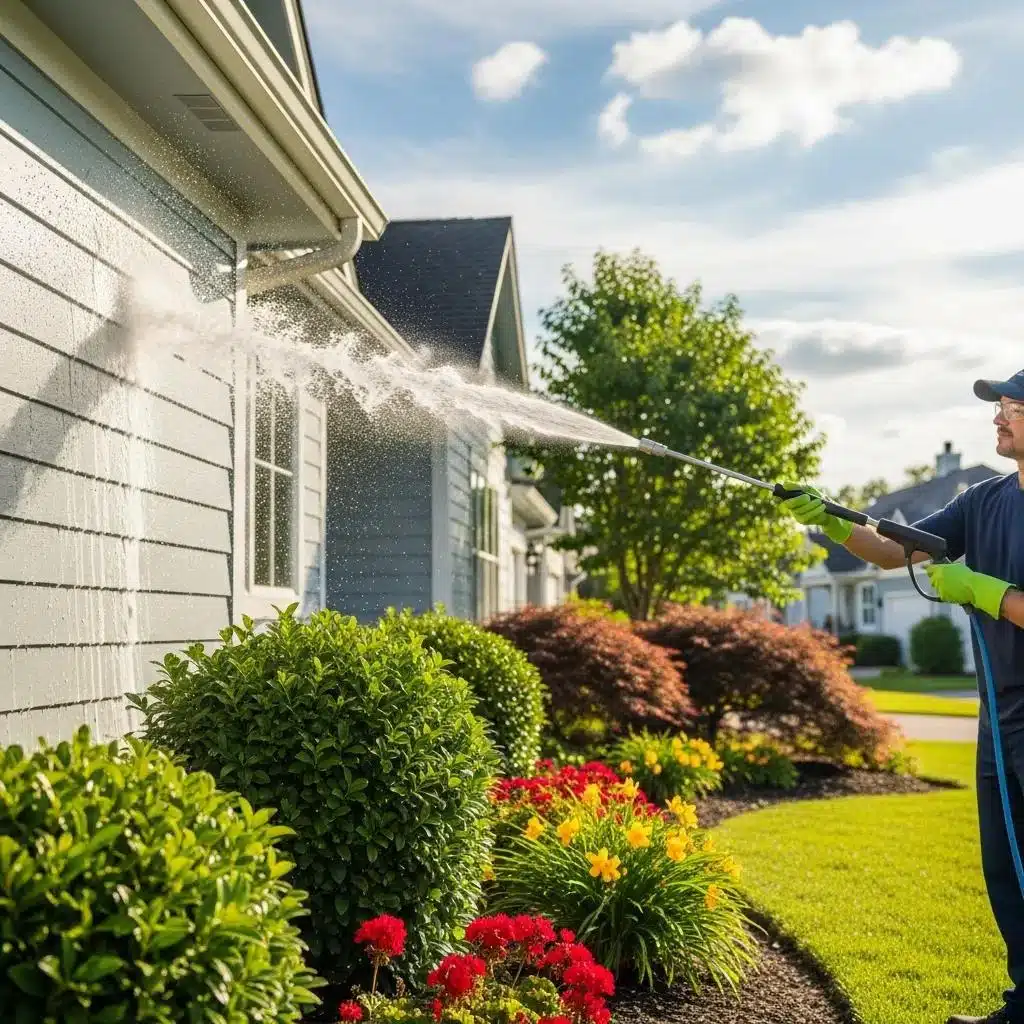
Before you start spraying cleaning solution on your home, spend a few minutes preparing the area.
Move outdoor furniture, decorations and anything else you don’t want getting wet.
If you have plants or shrubs near your mobile home, thoroughly water them with clean water before you begin. You may also need to temporarily cover sensitive plants, depending on the cleaning product you’re using.
Check that exterior electrical outlets have properly closed, weather-resistant covers. Avoid spraying electrical fixtures, air-conditioning equipment and exposed wiring.
Make sure all windows and doors are closed, too.
Mobile homes can have numerous exterior seams and joints. Inspect them for damaged caulking, loose siding and other openings before washing. Water entering these areas can cause problems that aren’t immediately visible.
3. Choose the right cleaning solution
One of the biggest mistakes homeowners make is assuming a stronger cleaning solution will automatically produce better results.
It won’t.
The right product depends on what you’re trying to remove and what material your mobile home is made from.
Here’s a simple breakdown.
| What you’re cleaning | What to use |
|---|---|
| Ordinary dirt and dust | Mild detergent approved for exterior siding |
| Green algae | An exterior cleaner labeled for algae and your siding material |
| Mildew | A siding-safe cleaner labeled for mildew |
| Pollen | Mild detergent and a soft brush |
| Stubborn stains | A cleaner specifically approved for the stain and surface |
What about bleach?
Sodium hypochlorite, the active ingredient in household chlorine bleach, is also used in professional exterior cleaning.
However, the products, concentrations and application methods used by professionals aren’t necessarily appropriate for homeowners.
For DIY cleaning, choose a ready-to-use product labeled for your siding, and follow its instructions.
Never mix bleach with ammonia, vinegar, acids or other cleaning chemicals. Mixing incompatible products can release dangerous gases.
Also, don’t assume that a cleaner safe for vinyl siding is automatically safe for painted aluminum or older manufactured-home siding.
When in doubt, test your cleaner on a small, inconspicuous area first.
4. Pre-rinse your mobile home
Now that you’ve prepared the area, it’s time to start cleaning.
Begin by gently rinsing the siding with your garden hose. This helps remove loose dirt, dust, pollen and cobwebs.
Work from the ground and direct the spray downward whenever possible.
Avoid spraying upward underneath the siding or directly into seams, vents and window openings.
You don’t need high water pressure. Your goal is to wet the surface and remove loose debris before applying your cleaner.
Pay extra attention to the shaded sides of your home. In Central Florida, these areas often stay damp longer and can develop green algae.
5. Apply your cleaner and gently scrub
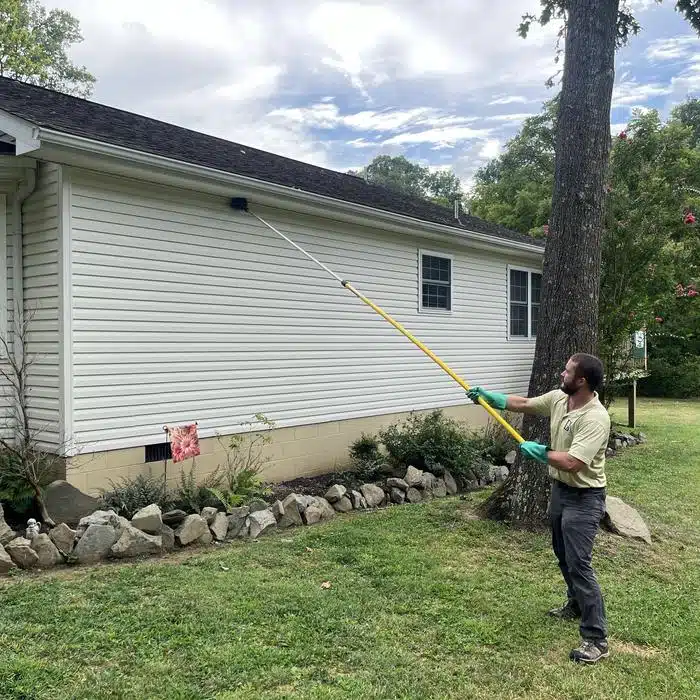
This is where you’ll start seeing the biggest improvement.
Rather than trying to clean an entire wall at once, work in small sections that you can comfortably reach and rinse.
Follow the cleaner’s label for application, dilution and how long to leave the product on the surface.
If the product permits brushing, use your soft-bristle brush to gently loosen dirt and algae. There’s no need to scrub aggressively.
For cleaners that allow bottom-to-top application, that method can help prevent dirty cleaning solution from running down dry siding and leaving streaks.
The most important rule is to never allow the cleaning solution to dry on your siding unless its label specifically instructs otherwise.
On a hot Florida afternoon, that can happen quickly. Try working in the morning or on a cooler, overcast day.
Be careful with older aluminum siding
If your mobile home has older painted aluminum siding, you may notice a white, chalky residue when you rub your hand across it.
That’s commonly called oxidation.
Aggressive brushing can leave permanent-looking streaks and uneven patches on oxidized paint.
If you notice chalking, stop and test your cleaning method in a small area before proceeding. Severely oxidized siding may need a different cleaning approach.
6. Rinse thoroughly from top to bottom
Once you’ve finished cleaning a section, rinse it thoroughly with clean water.
Start at the top of the section and work your way downward, allowing the water to carry loosened dirt and remaining cleaner toward the ground.
Keep the hose at a gentle pressure and avoid forcing water behind siding panels.
Don’t forget areas around windows, doors and exterior trim where cleaning solution can collect.
Continue working around your home one section at a time until you’ve finished.
Afterward, rinse any surrounding plants with clean water, following your cleaner’s landscaping and runoff instructions.
7. Don’t forget your skirting, steps and gutters
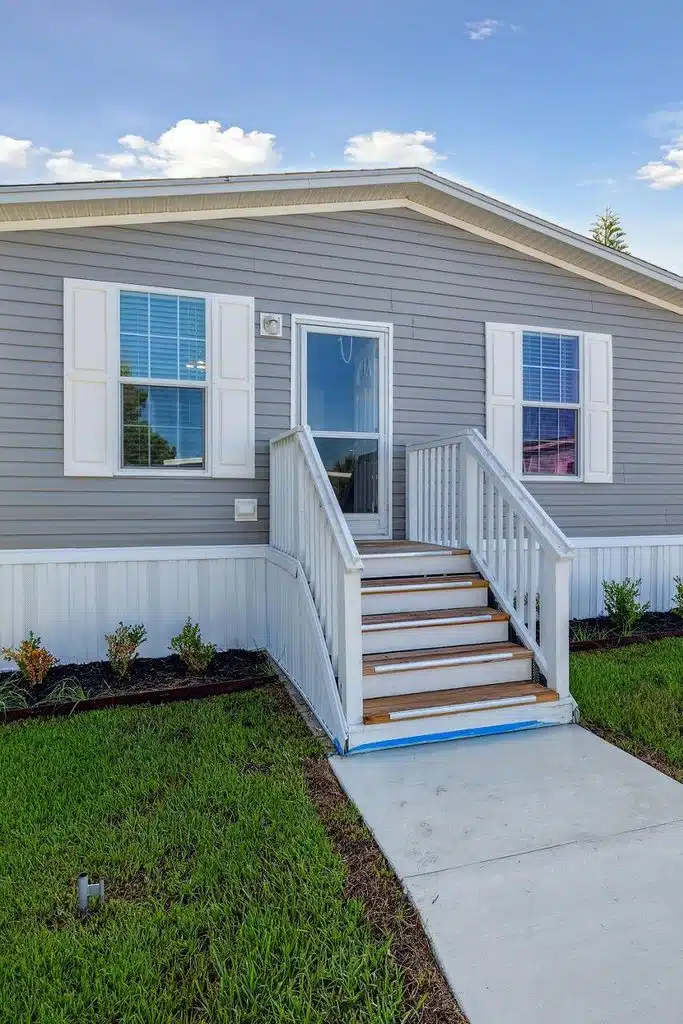
Your mobile home’s siding isn’t the only area that collects dirt and algae.
Skirting, exterior steps, gutters and the concrete around your home can become dirty as well.
For vinyl skirting, use a mild cleaning solution and a soft brush. Be careful not to push against the panels too hard, since they can crack or pop out of place.
Exterior steps and walkways may need a different cleaner depending on whether they’re made from concrete, wood or composite material.
If your gutters have black streaks, ordinary siding cleaner may not remove them. Those stains sometimes require a product specifically designed for gutter cleaning.
Avoid walking on your mobile home’s roof or leaning a ladder against gutters to reach high areas. If an area can’t be reached safely from the ground, it’s better to leave it for someone with the appropriate equipment.
How often should you clean your mobile home in Florida?
There’s no single cleaning schedule that works for every home.
If your mobile home sits beneath large oak trees or has shaded areas that stay damp, you may notice algae returning more frequently.
Homes exposed to direct sunlight may stay cleaner longer, although pollen, dust and rain can still leave them looking dirty.
A good approach is to inspect your siding every few months and address small areas of buildup before they become larger problems.
For many Florida homeowners, a thorough exterior cleaning about once a year is a practical starting point. Your home’s surroundings may call for more frequent attention.
Regularly rinsing away dirt and pollen can also help keep your home looking good between deeper cleanings.
When should you hire a professional?
Cleaning your mobile home’s exterior yourself can be a satisfying weekend project, especially when the siding only has light dirt or pollen.
But there are times when hiring a professional makes more sense.
Heavy algae growth, stubborn staining, extensive oxidation and areas that are difficult to reach may require specialized products or equipment.
If your home has damaged siding, loose trim or questionable seals around windows, those problems should be addressed before washing.
And if you simply don’t want to spend your weekend scrubbing siding in the Florida heat, there’s nothing wrong with having someone else handle the job.
Need a hand cleaning your mobile home?
At Softwash Solutions of Central Florida, we help homeowners keep their mobile homes looking clean and well-maintained without the hassle of doing it themselves.
We’re a veteran-owned business serving Leesburg, Eustis, Tavares, Clermont, Groveland, Fruitland Park, Minneola, The Villages and surrounding communities.
We use professional exterior cleaning methods appropriate for your home’s surfaces, with an emphasis on protecting your siding and property.
Whether you need a routine mobile home wash or help with stubborn algae and dirt, we’re happy to discuss your cleaning needs.
Give us a call for a straightforward quote. No pressure, just a clean home.
Call or Text (352)449-2101